While there are many, many, MANY examples of the Italian Renaissance taking from Greek and Rome, we are going to look at the architectural style of specific structures.
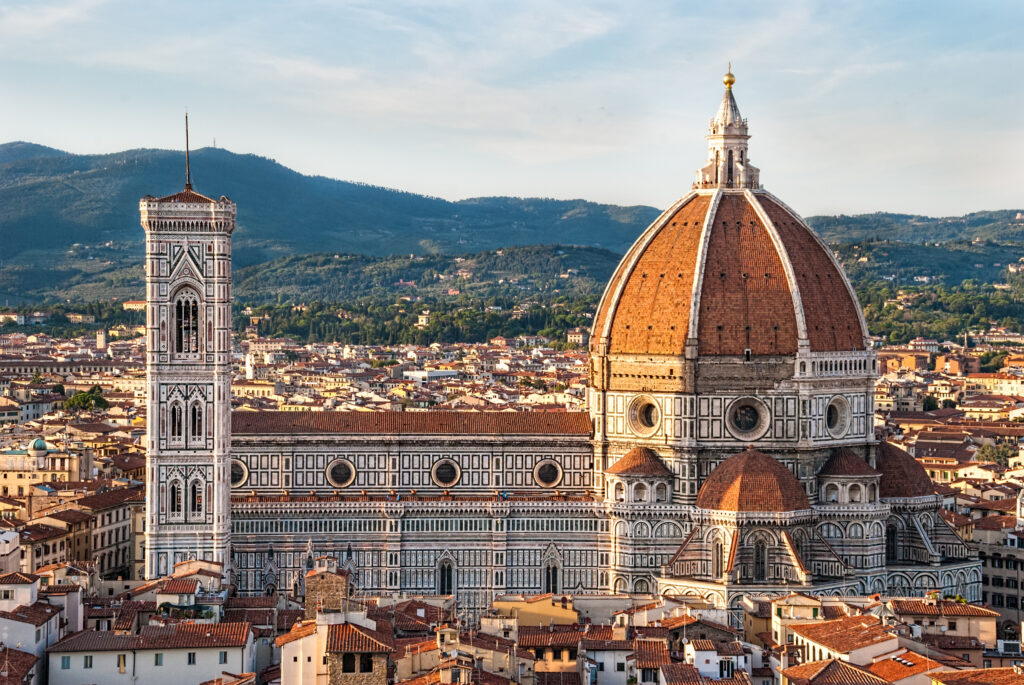
In an architectural sense, two buildings that share the same values as one another is the Pantheon and the Dome of the Cathedral of Florence.
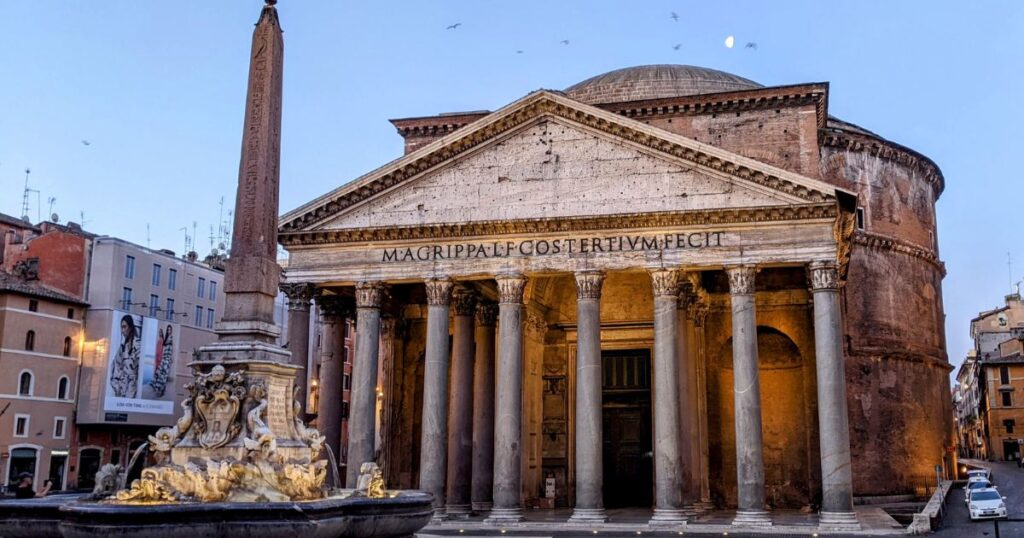
The Pantheon was built under Emperor Hadrian. It is one of the best preserved buildings from antiquity. Why the building is so famous is due to the dome, central oculus, and the columns.
Filippo Brunelleschi designed the dome for the FLorence Cathedral. In order to complete the dome, he looked back at Ancient Roman to understand their techniques reviving symmetry, proportion, and mathematical precision.
The structures are similar by the way Brunelleschi revived antiquity. The structures both have large, central domes as the main focal point/architectural feature. They both have geometric harmony from the careful calculations of the proportions.
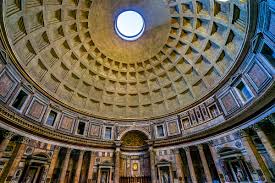
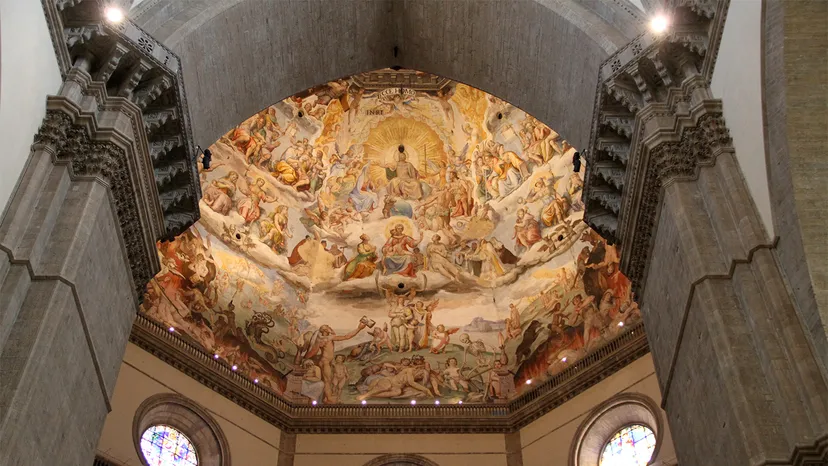
We can see that Ancient Rome perfected the dome and built it very large. While the Italians don’t have the exact same dome, we see that the dome took the newest and biggest dome from revising the Roman techniques.
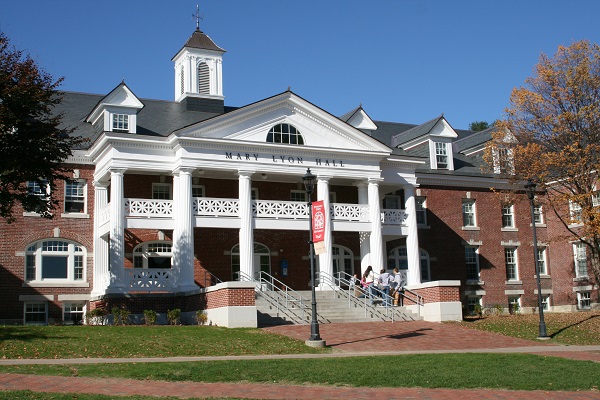
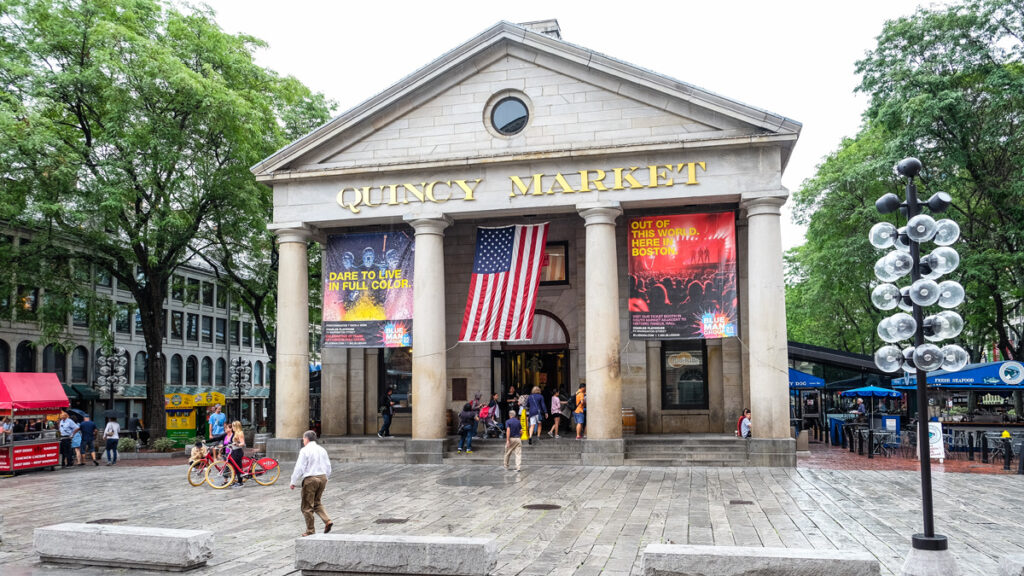
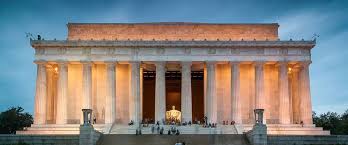
As of the present, we see the ancient architecture in modern day structures. Most notably, we see the columns everywhere from our own campus, to the city, to prominent buildings. On our campus, Mary Lyon Residential Hall is a great example of the columns. They are built in the same way that it looks on the Pantheon along with revised version in Italy. We can also look miles away at Quincy Market in Boston along with government building that have both columns and the dome. Every capitol has a domne which we can look back in the past for our inspiration.