The 17th- 19th centuries were a time of change. The world was shifting a lot, politically, socially, and emotionally. Different artist from Neoclassicism, Romanticism, and Realism all had a response to the changes.
Neoclassical artist were working during the enlightenment, so their art reflects a world that valued reason, discipline, and moral behavior.
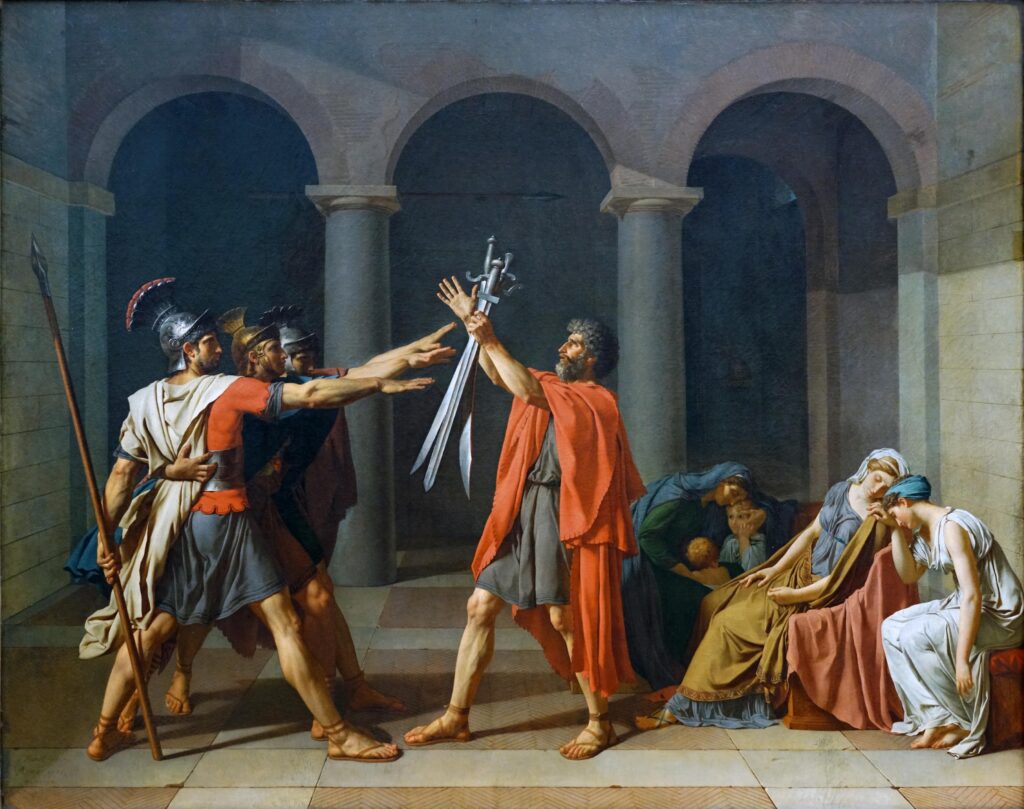
Jacques-Louis Davod’s Oath of the Horatii is a great example of this mindset. The figures are arranged in a clean, organized way that almost feels like a staged lesson on loyalty and sacrifice. Everything is controlled! Straight lines, strong poses, and focused on civic duty over personal emotion.
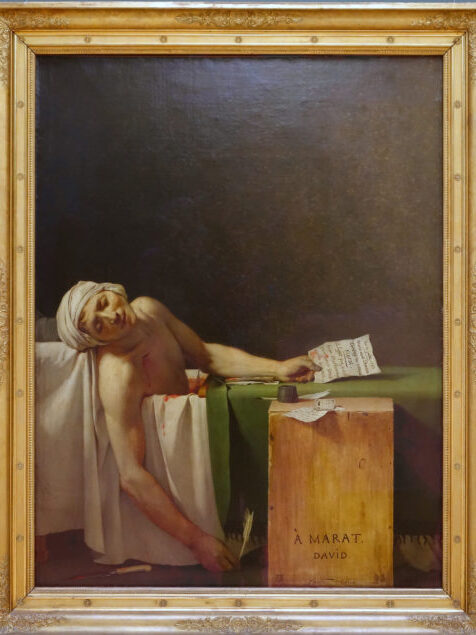
David uses the same approach in the Death of Marat. Marat is shown with calm lighting and a simple background that makes him look like a political martyr. The writing desk is shaped like a tombstone reinforcing the idea that he died for a cause, not just a random act of violence.
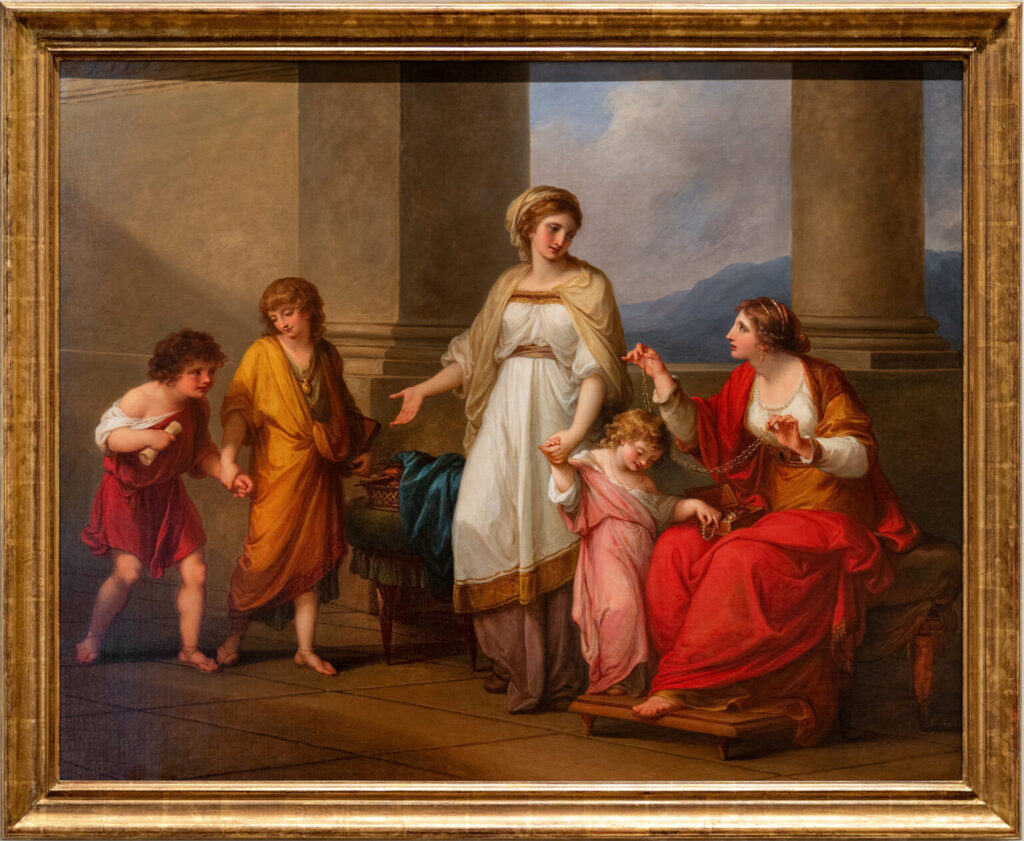
Other Neoclassical works, like Cornelia Pointing to Her Children as Her Treasures by Angelica Kauffmann also pushes moral messages. As said in the title, Cornelia gestures toward her children. It shows virtue and family matter more than wealth or status. This is how it should be present day as well.
Overall, Neoclassicism was a response to political change by promoting order and rational thinking. These artist weren’t painting scences, they were guiding society toward stability along with moral clarity during a time of revolutions. Everything was being reshaped!
Romanticism pushes back against all that structure by focusing on emotion, imagination, and the parts of life that can’t be neatly controlled.
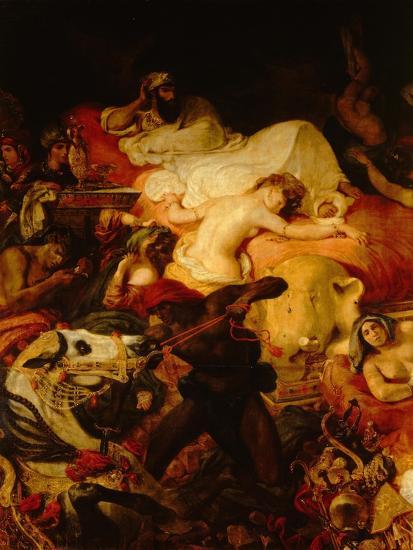
Eugène Delacroix’s Death of Sardanapalus is basically the opposite of Neoclassical order: warm colors, dramatic poses, and chaotic spaces. They felt driven by emotion instead of logic.
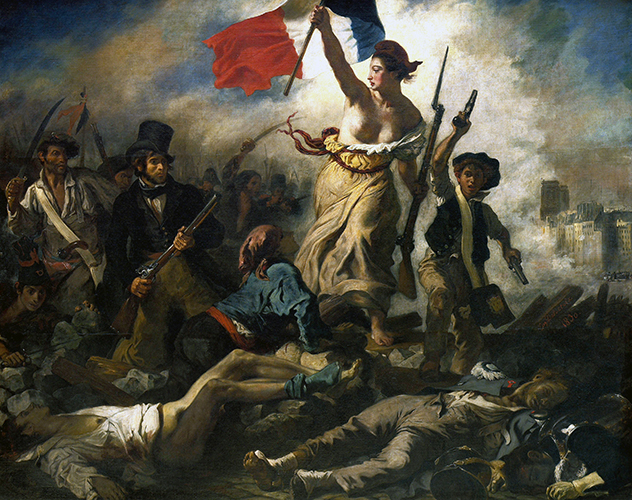
His Liberty Leading the People also captures the emotional energy of revolution.It uses a smoky, active landscape to show this feeling of moment versus a perfectly accurate one.
Romanticist were not afraid of drama! They want the viewer to feel!! Nature becomes a major theme in Romanticism, especially the idea of the sublime. Nature is powerful, mysterious, and overwhelming at times!
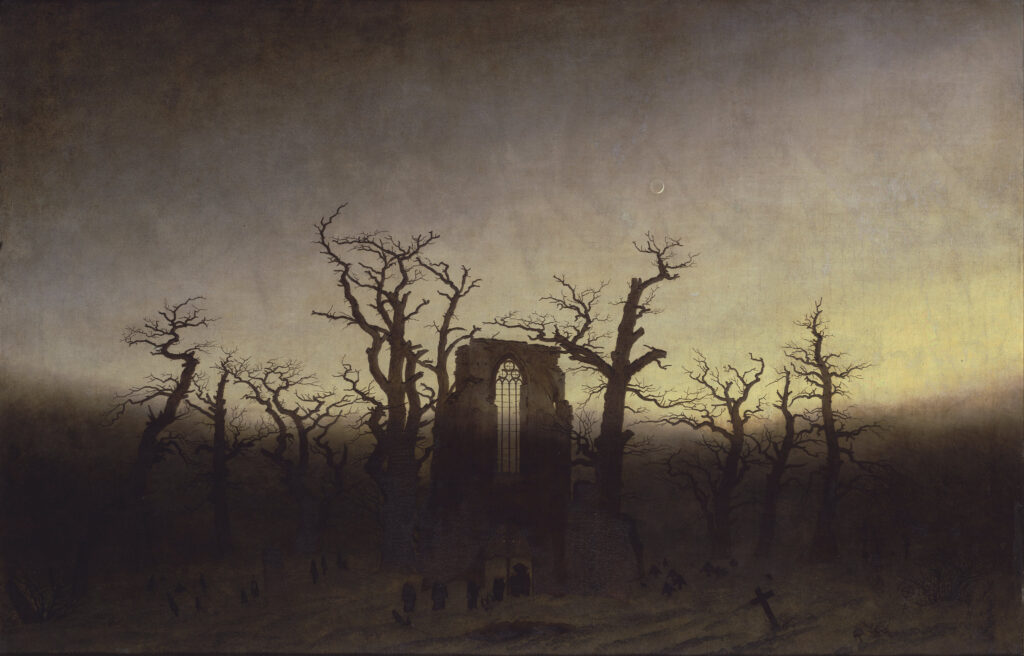
The Abbey in the Oakwood has a feeling of mystery with a sence of the unknown. The trees have a personality of their own with the cumbling church. It feels smaller than the universe. The world felt small but open.
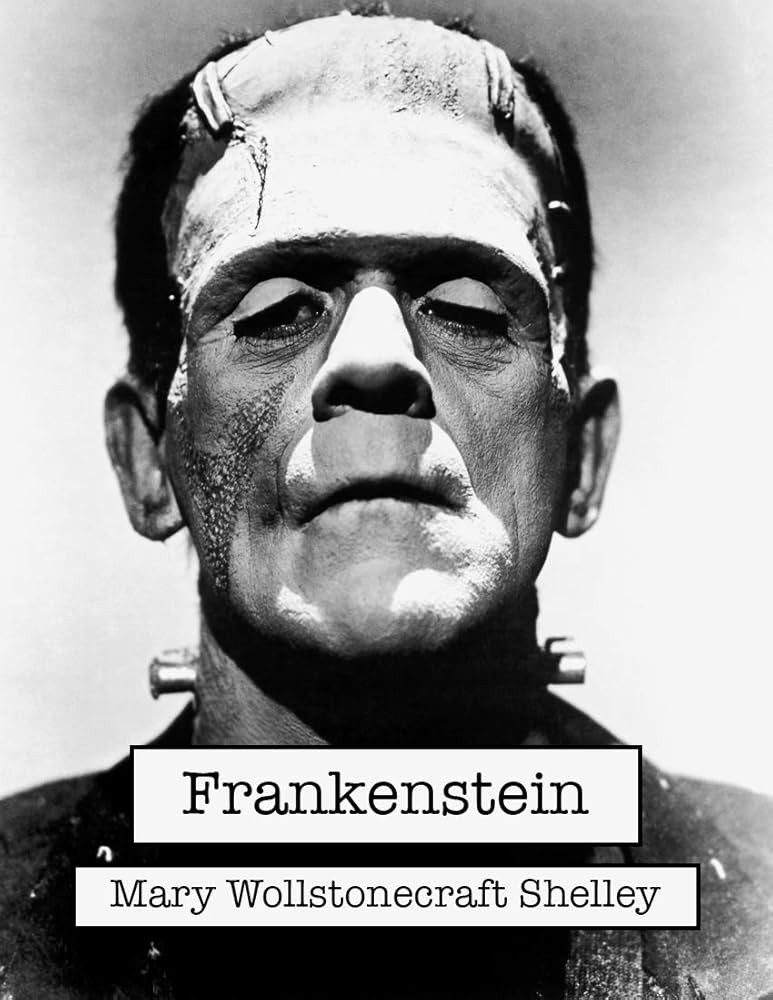
The interest in the mysterious side of nature shows up in Romantic literature like Frankenstein, which deals with the limits of human control.
Romanticism responds to the same world Neoclassicism lived in, but instead of organizing, they lean toward emotion, individuality, and the unpredictable side of the human experience.
Realism responds to a different shift, the Industrial Revolution. Instead of heroic stories or dramatic fantasies, Realist focused on everday life and people who are usually overlooked.
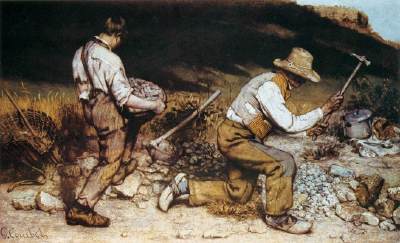
Gustave Courbet’s The Stonebreakers show two laborers blending into the landscape where they work. It highlights how physically demanding the job is along with how repetitive their jobs are. It is a snapshot of the reality of the hard labor, no idealization.
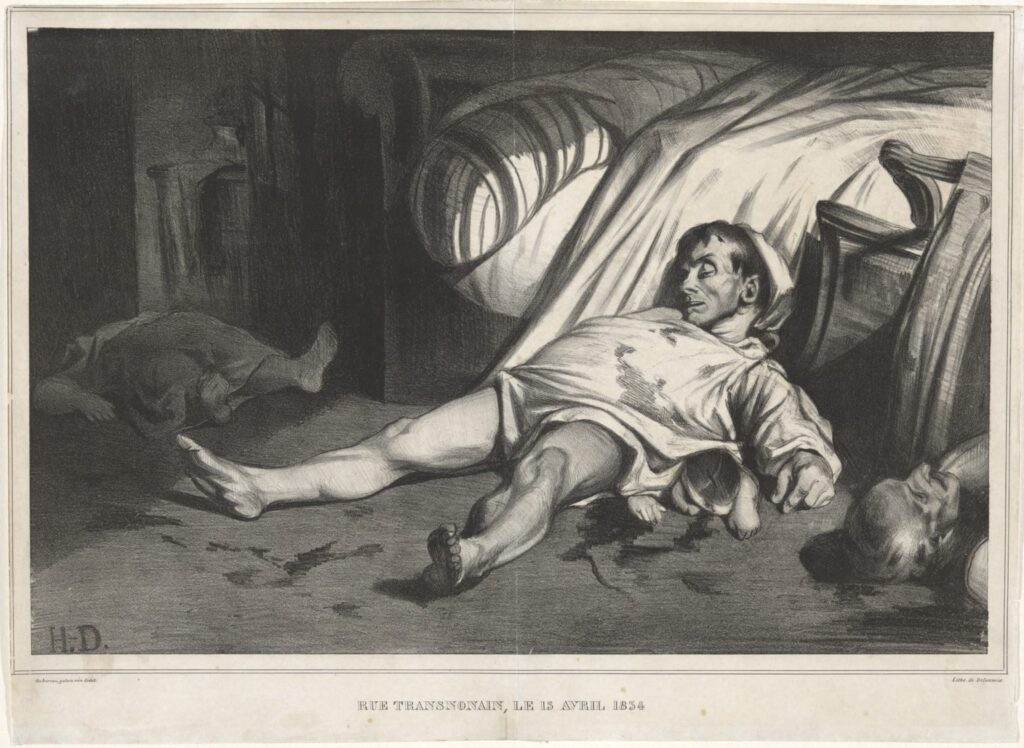
Honoré Daumier’s Rue Transnonain takes the honesty into politics. It shows the aftermath of a violent crackdown. In a way, it feels unfiltered and raw. A snapshot of something supossed to be kept secret, hidden…
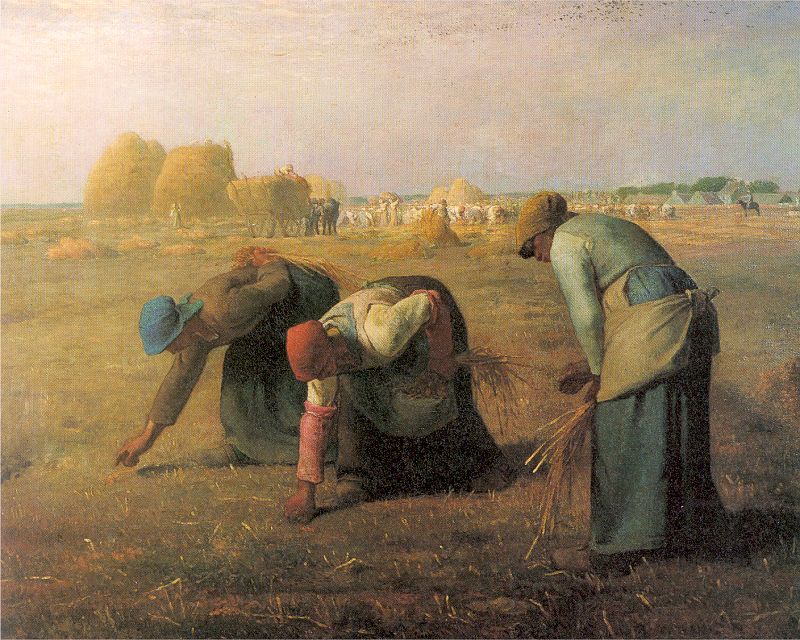
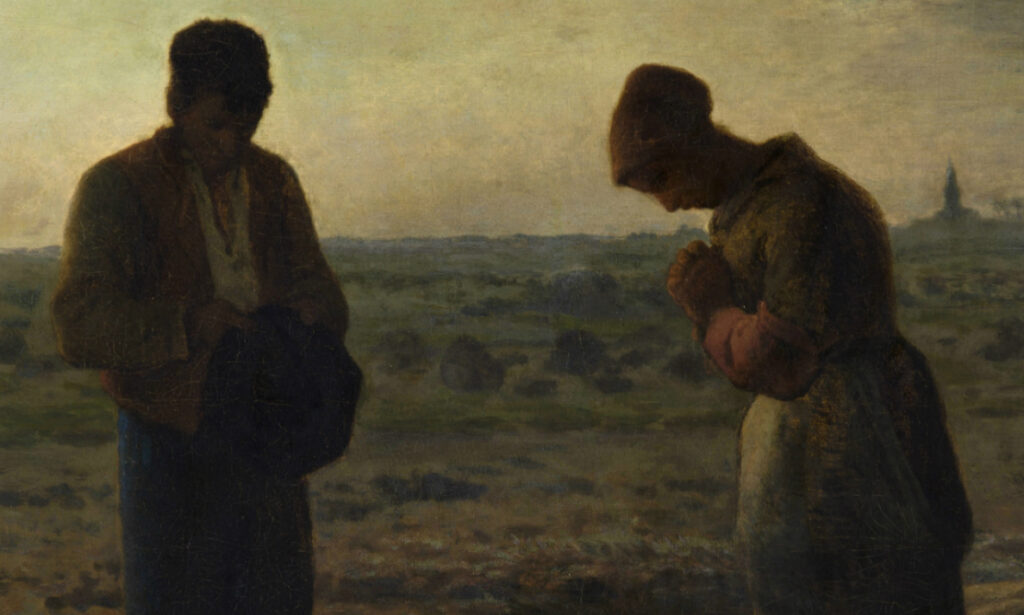
Jean-François Millet’s The Gleaners and L’Angelus show rural workers as part of the landscape. Grounded and dignified but clearly shaped by economic hardship. These paintings don’t elevate the subjects into heros, they show the truth of everyday life during industrialization.
Realism is the response to modern world by insisting on honesty. It shows class, labor and effects of the industrial change without smoothing over. Its the movement that asks its viewers to really look, pay attention. The people and experiences that are ignored are just as important.
It is clear that each movement, Neoclassicism, Romanticism, and Realism all had their different ideals of how they wanted to represent the world around them. Neoclassicism focused on moral clarity, Romanticism focused on the unpredictablity of human experience, Realism focused on the everyday life scenerios.