The Russian Avant Garde was a moment that grew when the world was changing, along with moving very quickly. Around 1913 and early 1920’s, the Russians were imagining a new kind of society. Along with a new society, they wanted art to change with it. During this period, it led up to the Russian Revolution. In terms of feelings, everything was unstable and full of possibility.
They quit looking at old traditions and pushed forward and experimented with bold shapes and new materials, along with ideas that were never tried before. That’s why this period feels so modern. Modern was created during a time when artists weren’t just making art, they were reinventing what it could be.
When focusing in on Suprematism and Constructivism apart of the Russian Avant Garde, it gives the viewer a feeling of letting go of the past into something new.
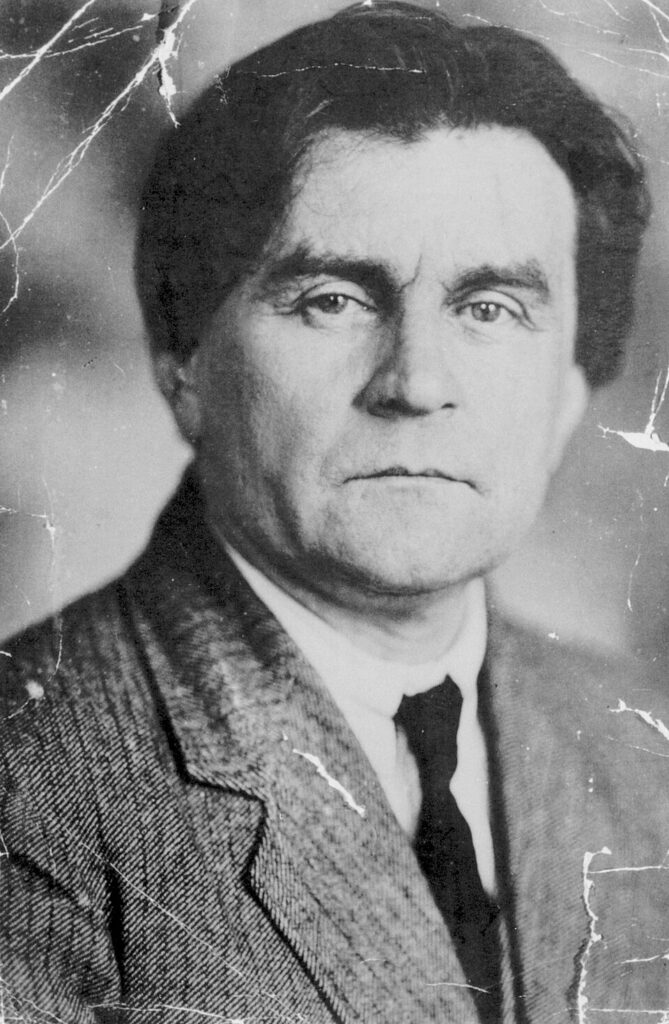
Kazimir Malevich was the creator of Suprematism. His focus was pure feeling instead of the visible world. It is explained in Khan Academy as “supremacy of pure feeling in creative art” (Suprematism Part I)
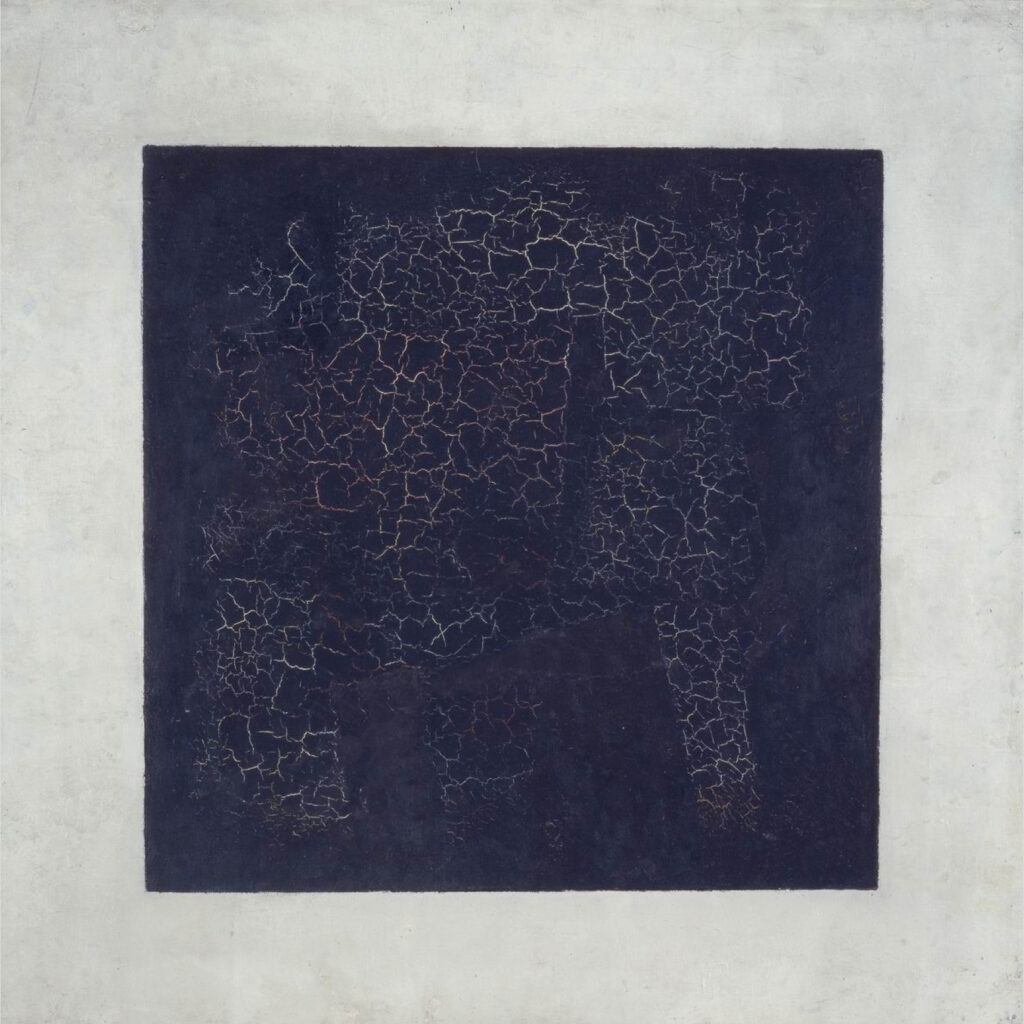
Taking a look at the Black Square from 1915, a piece made by Malevich, clearly shows how it’s quite literally about feeling. All the viewer sees is a black square on a white background. That simplicity was the point of Malevich’s movement towards modernism. The painting feels like a reset.
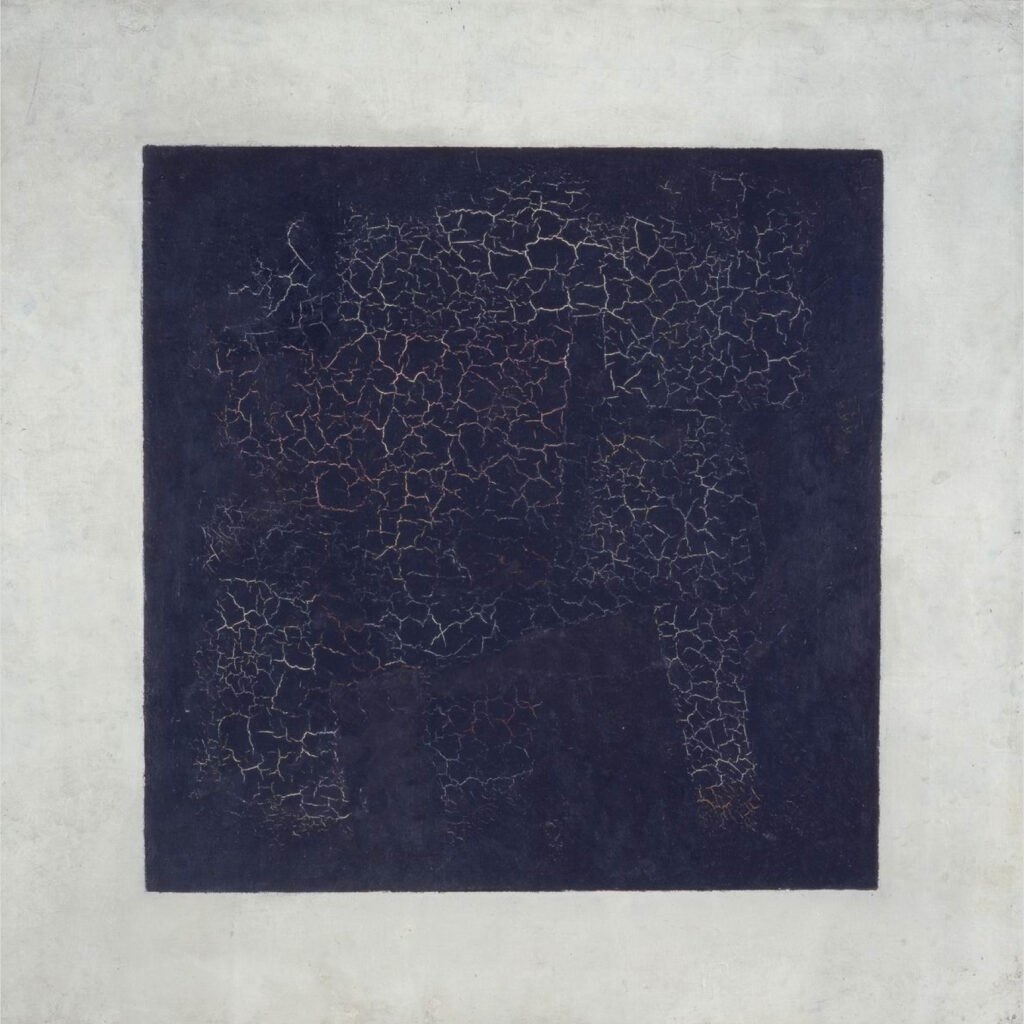
The point Malevich could have been making is to wipe the slate clean so art can start over and reset. In Khan Academy, they even say “the visual world was no longer artist’s main concern”. The Black Square proves that by removing recognizable objects entirely.
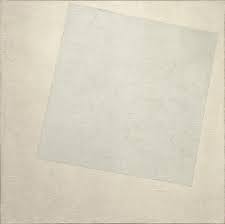
Another example is White on White from 1918 also created by Malevich. This piece is a tilted white square that floats on a different white toned background. As the viewer can see, the square barely separates from the background.
The feeling taken from this piece is like the painting is weightless and could be spiritual. The piece really pushes feeling more than visual. Malevich pushed the idea of pure feeling really well since the painting is about the sensation you get versus anything you can name.
The Constructivist wanted a break from tradition and pushed it physically. The looked away from painting emotions, but instead built objects. This was to match the industrial age. Khan Academy describes Constructivism as a movement where they worked like engineers and art became “a labatory for new forms” (Constructivism Part 1).
Vladimir Tatlin’s Model for the Monument to the Third International in 1919-20 is a great example. When a view sees this monument, they see a twisting metal tower. It is made of steel and glass with a design to function as a real building.
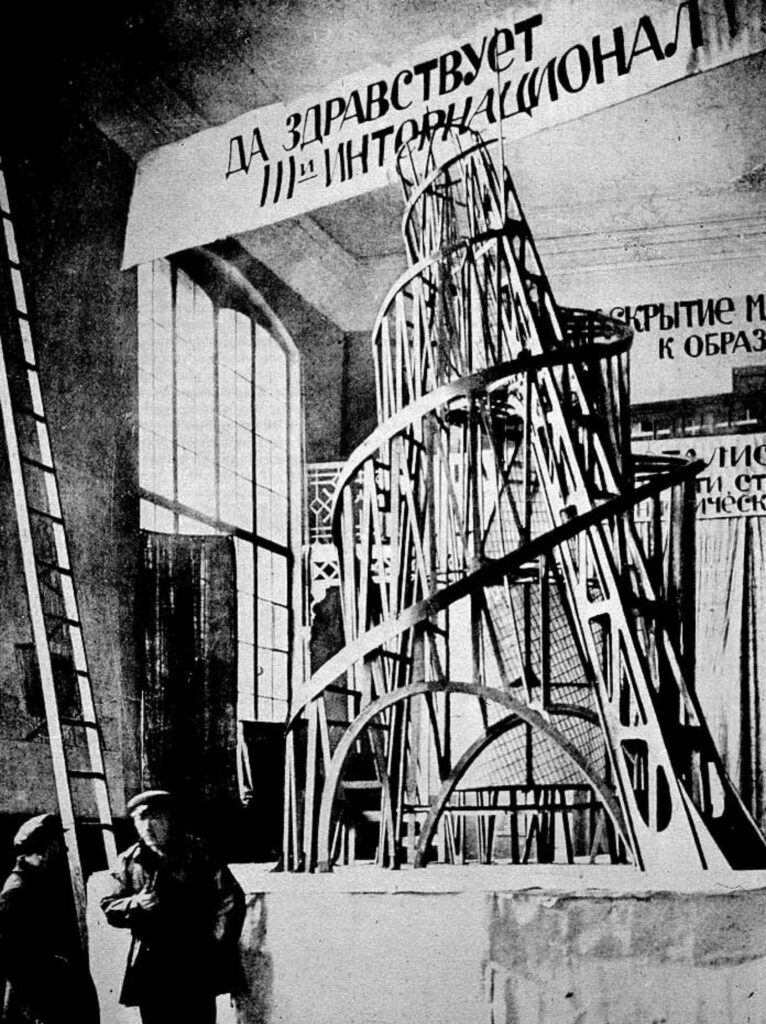
The structure feels modern. The modern feeling comes from the use of industrial materials and also due to the fact it was meant for a social purpose.
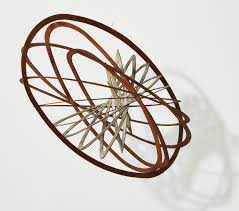
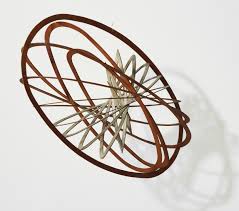
Another piece in the Constructivism movement was a piece by Aleksandr Rodchenko. This piece was called Hanging Spatial Construction No. 12. The piece is mad from plywood thinly cut into a spiraling geometric shape that expands.
Khan Academy explains that the Constructivists aimed to “collapse the distinction between art and everyday life” (Constructivism Part 2). Rodchenko piece shows this from taking plywood and turning it into something that simply moves in an engineered form. Definitely not a painting on a wall. The biggest purpose was to exist in the space and has the ability to be walked around.
Together these two movements, Suprematism and Constructivism, show Modernism as more than a style. It is really a mindset that challenges old rules and reimagines a new world. Suprematism stripped art down to pure shapes and emotions, which is seen in Black Square and White on White. Constructivism tied art to technology, production, and a social purpose. These are both seen in Tatlin’s architectural model and Rodchenko’s engineered constructions. Both of these movements broke away from tradition and went for experimentation. That is what Modernism is all about.
While there are so many more pieces that could be looked at, there are definitely a few that have had great impact for their particular movements.
Some quick side note…
This particular movement was definitely of interest to me specifically coming from Russia. As someone who was born there, it always sparks interest when Russia is mentioned. While my time there was only for a year, I am always interested in the culture and history behind my birth country.
For more information on anything mentioned above, visit any of these links below:
Suprematism, Part I (Khan Academy)