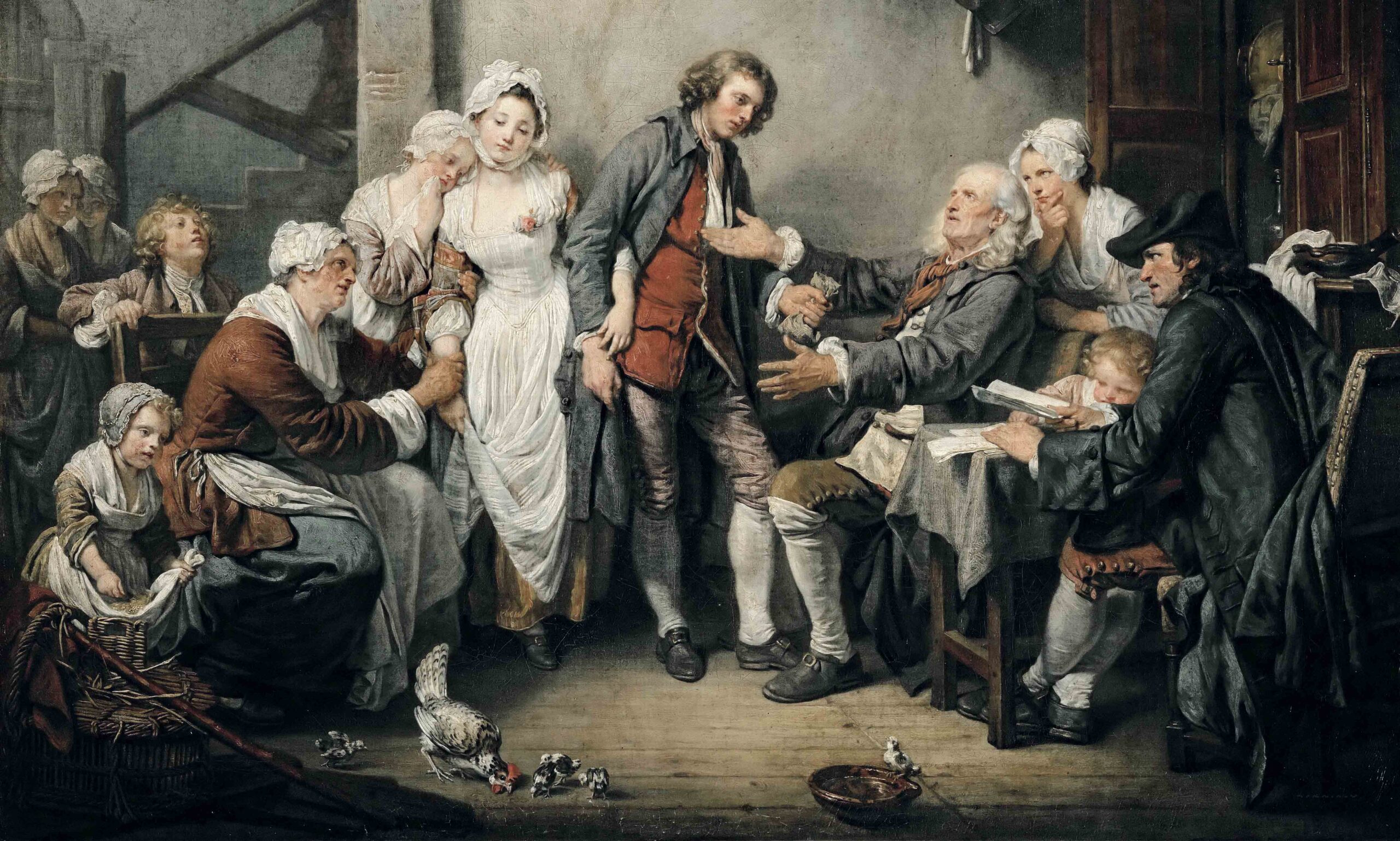
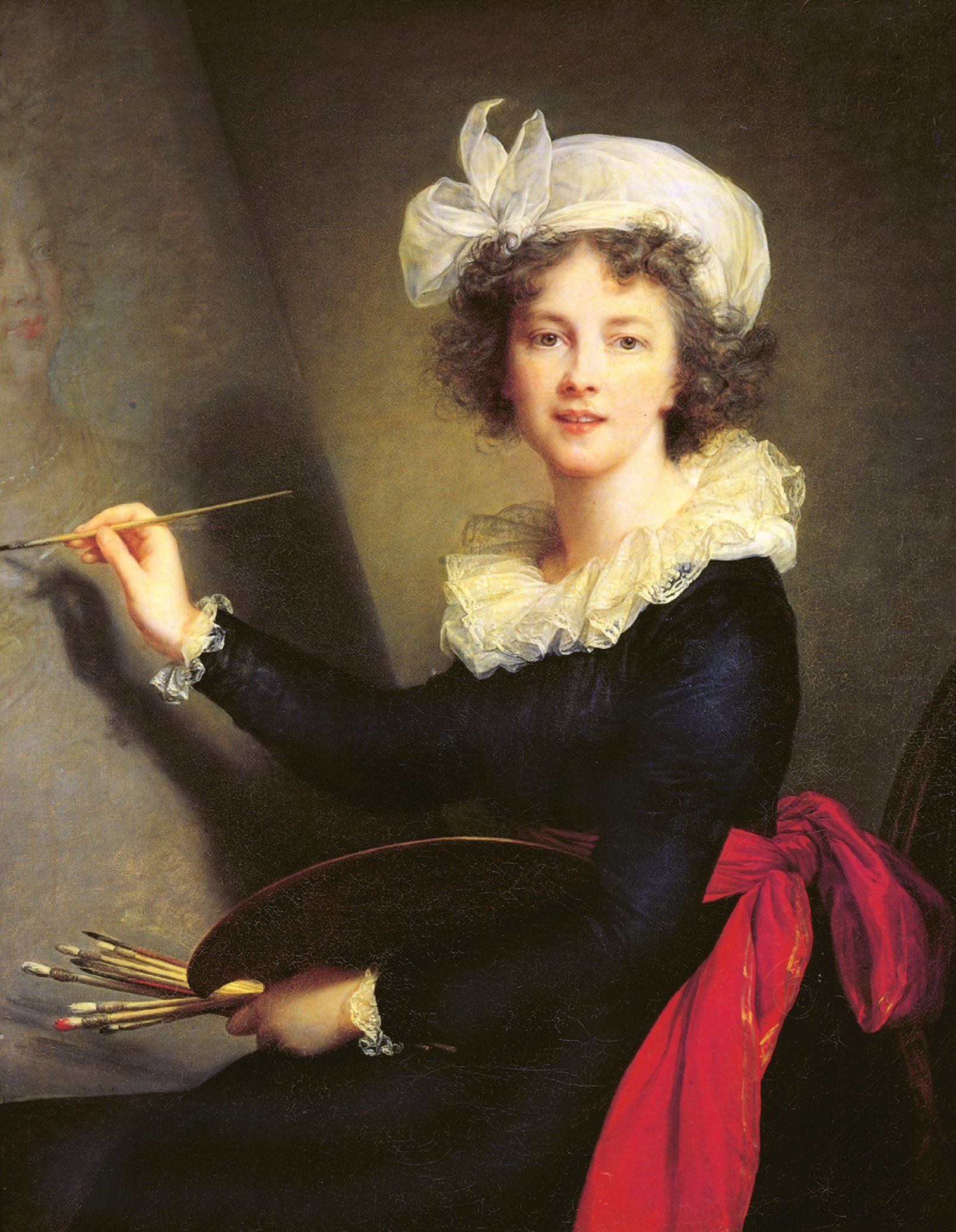
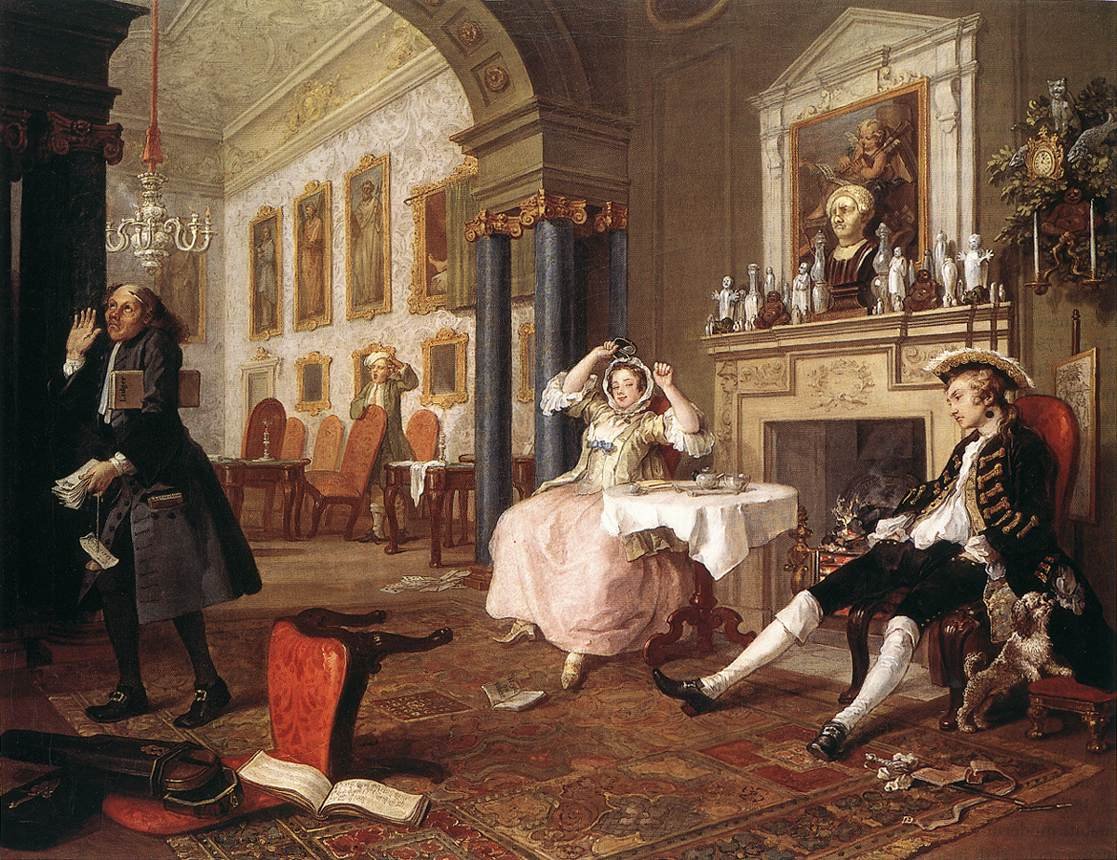
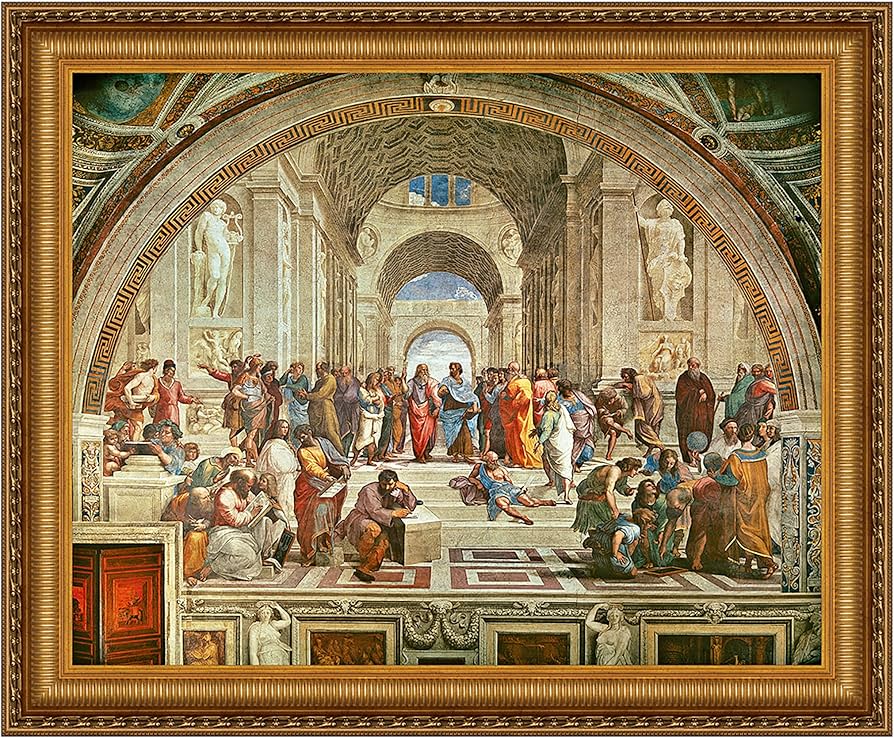
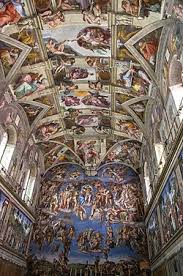
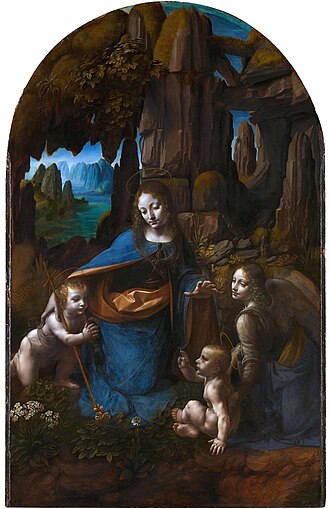
There are many art movements that differ from the Italian High Renaissance (c.1490-1527), such as: Northern Renaissance (c.1430-1580), Mannerism (c. 1520–1600), and The Baroque’s (c.1600-1750). When we look at each, it is important to understand the overall characteristics of each.
The High Renaissance in Italy felt perfectly balanced, had the ideal beauty with unified compositions along with emotional and intellectual depth. The core characteristics we get are:
- Idealized, graceful figures
- Unified compositions
- Emotion and psychology
- Advanced lighting and atmosphere
- Mastery of anatomy and movement
- Classical philosophy and humanism
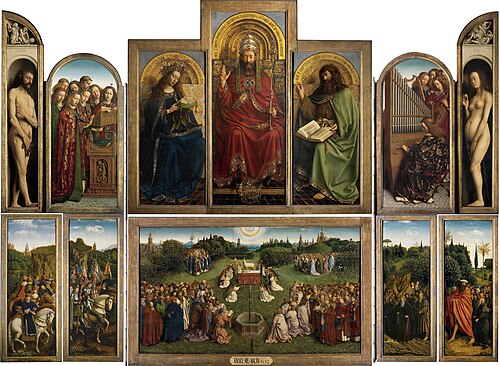
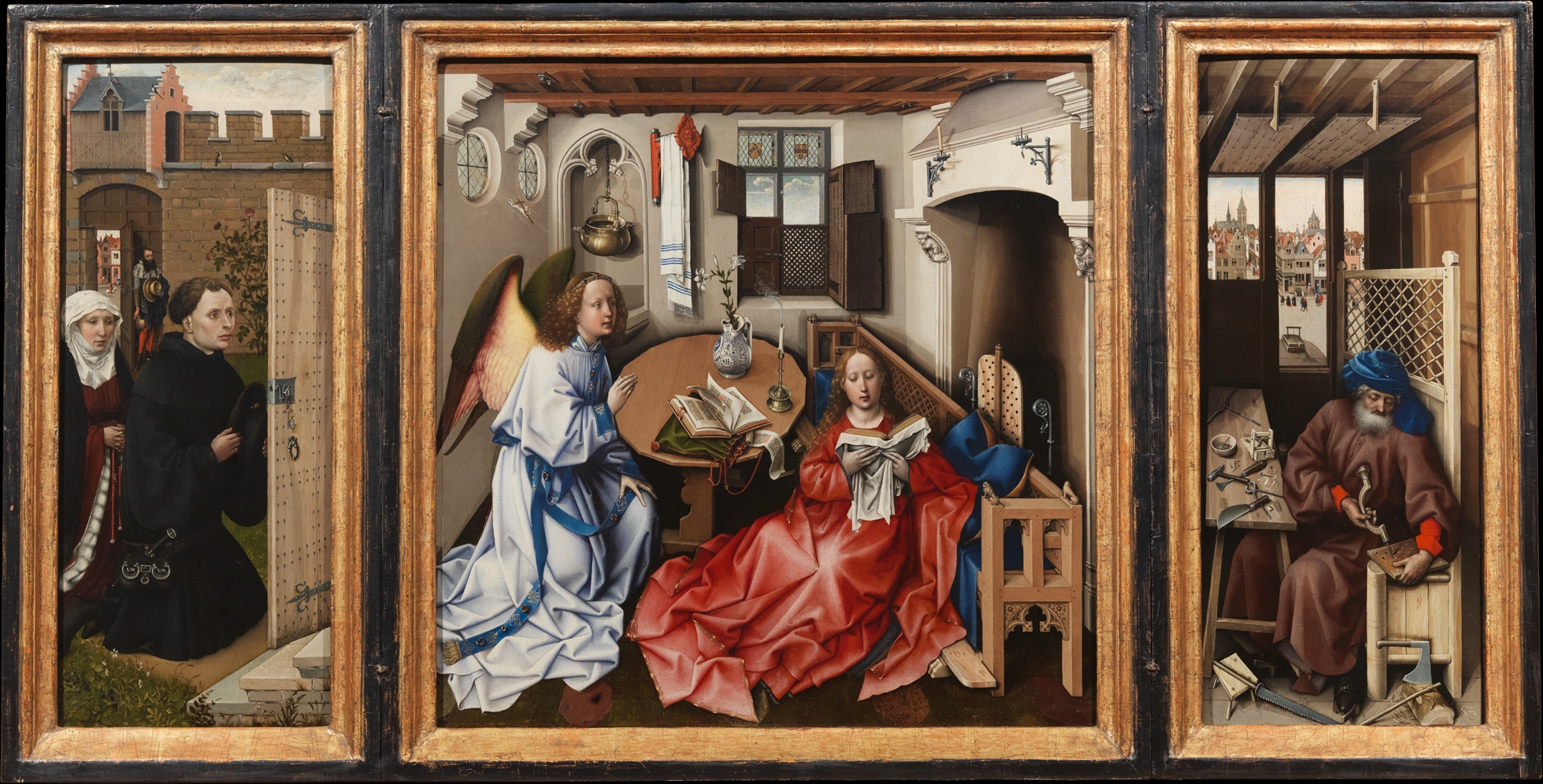
The Northern Renaissance was focused on texture, symbolism, emotion, and every day life. The core characteristics we get are:
- Hyper-realistic detail
- Symbolism in everyday objects
- Domestic settings
- Emotional intensity
- Natural observation
- Moralizing themes
- Multi-panel altarpieces

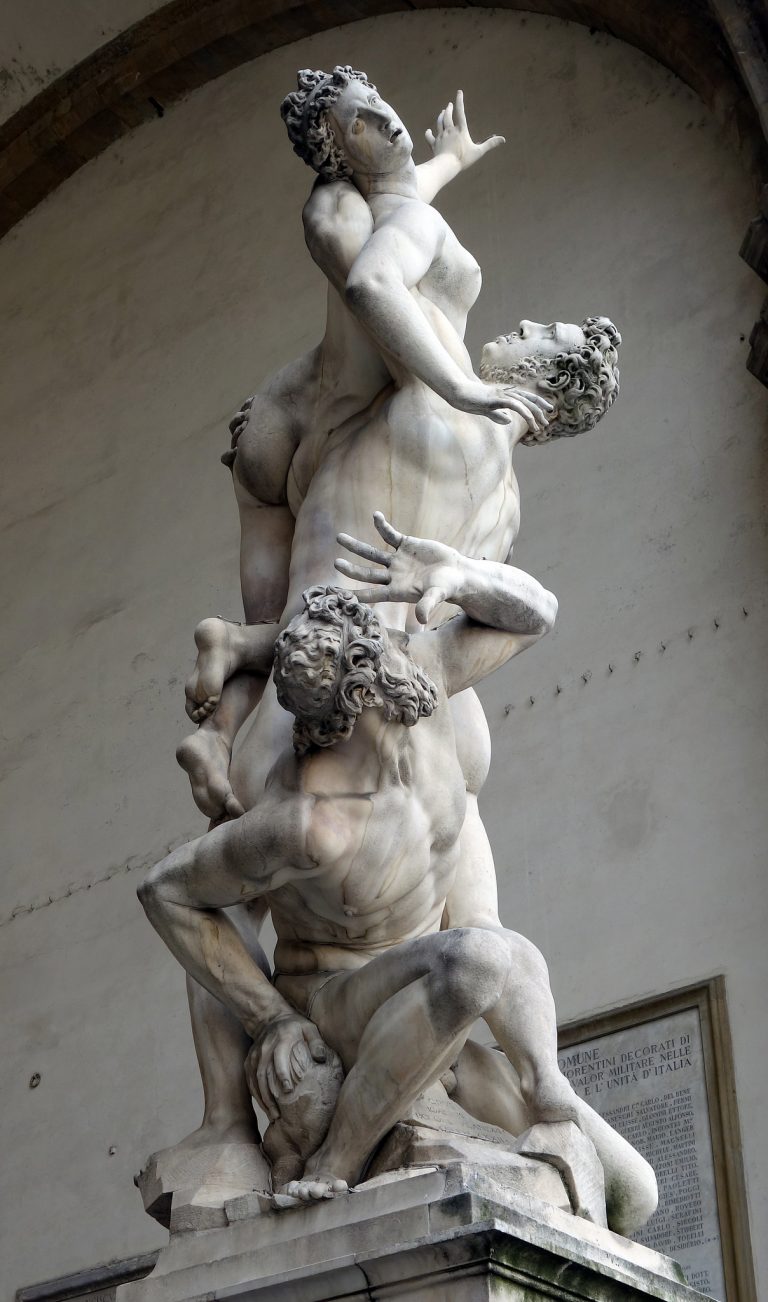
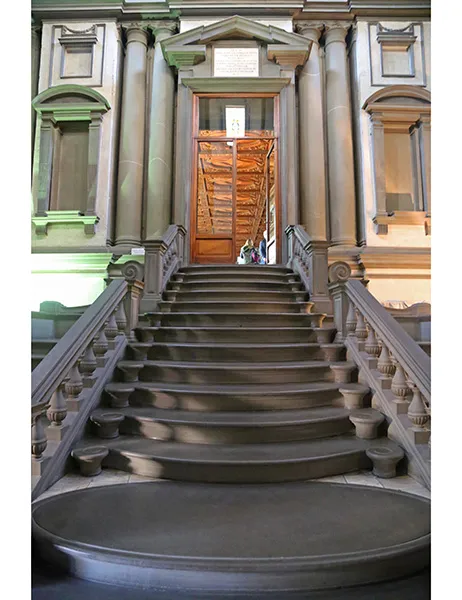
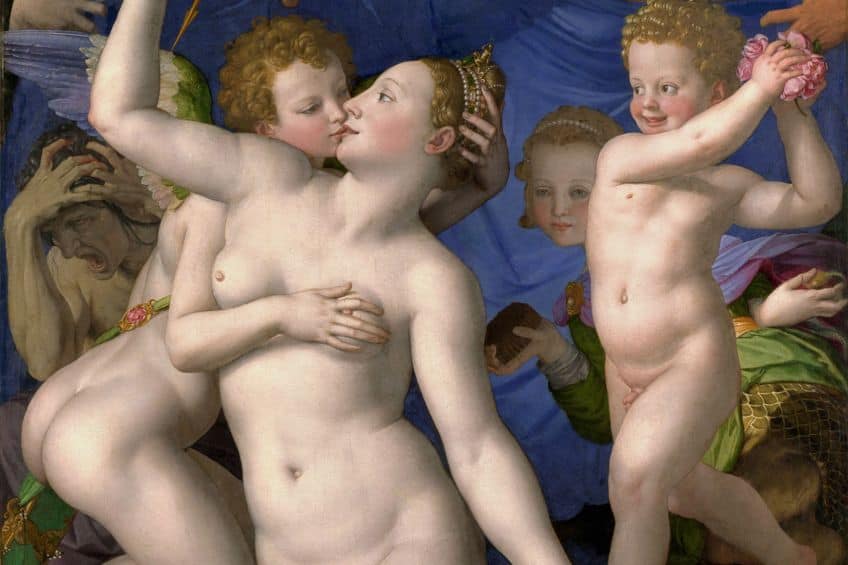
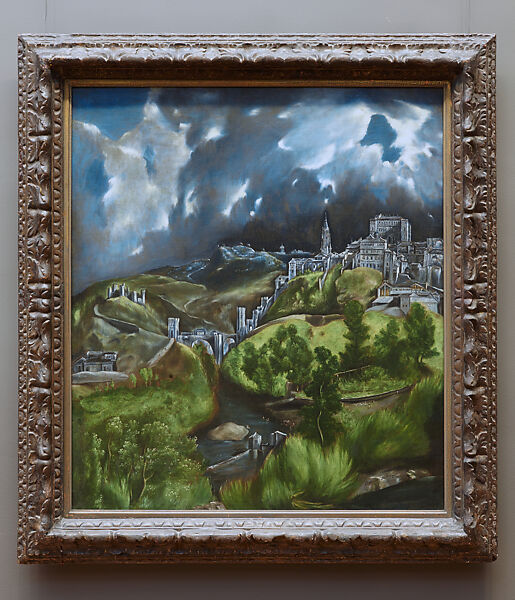
Mannerism in Italy and Spain had a feel of tension, distortion, elegance, and ambiguity. The core characteristics we get are:
- Elongated, distorted bodies
- Twisted compositions
- Strange acidic colors
- Illogical space
- Intellectual themes
- Emotional extremes
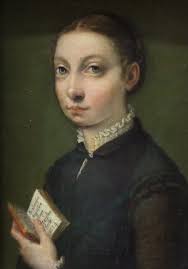
- Elegant Portraiture
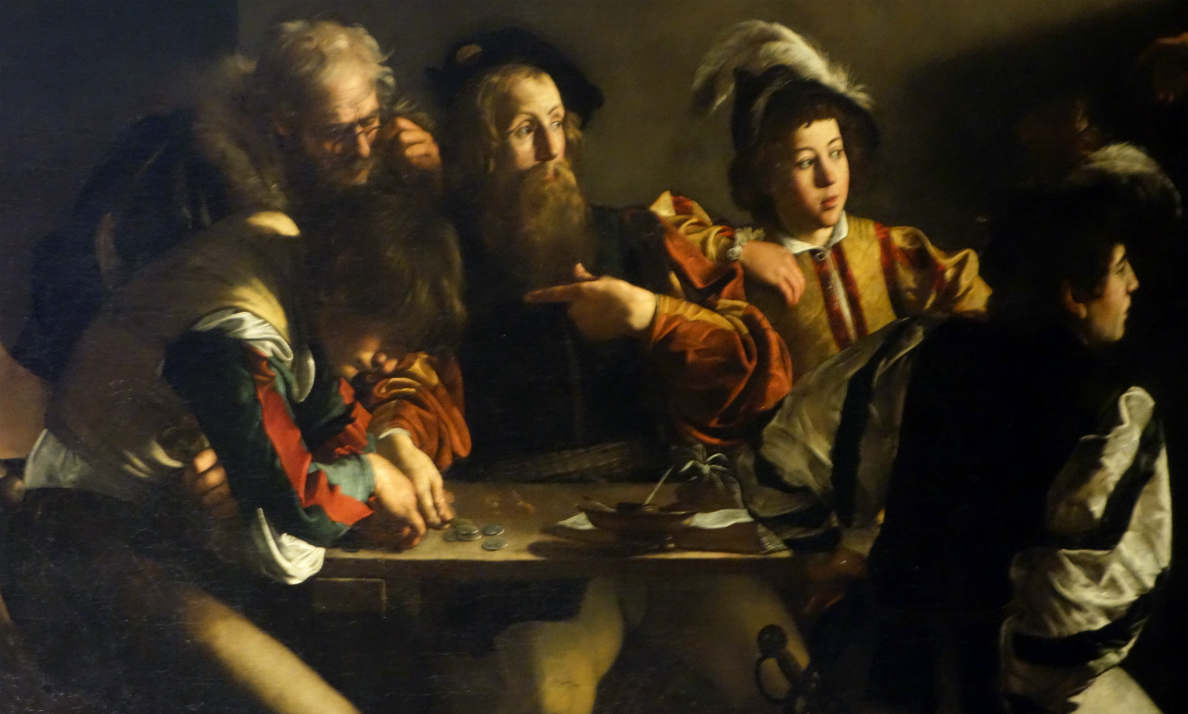
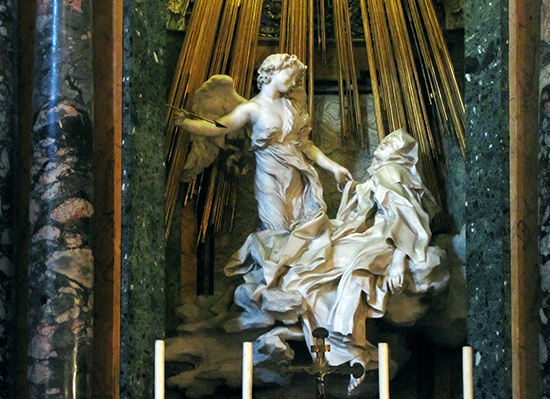
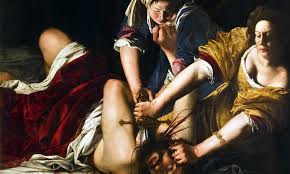
The Italian Baroque was drama filled, emotional, lots of movement, and spiritual intensity time. The core characteristics we get are:
- Dramatic light
- Emotional intensity
- Movement
- Theatrical architecture
- Counter-reformation goals
- Blending of the arts
- Hyper-realism
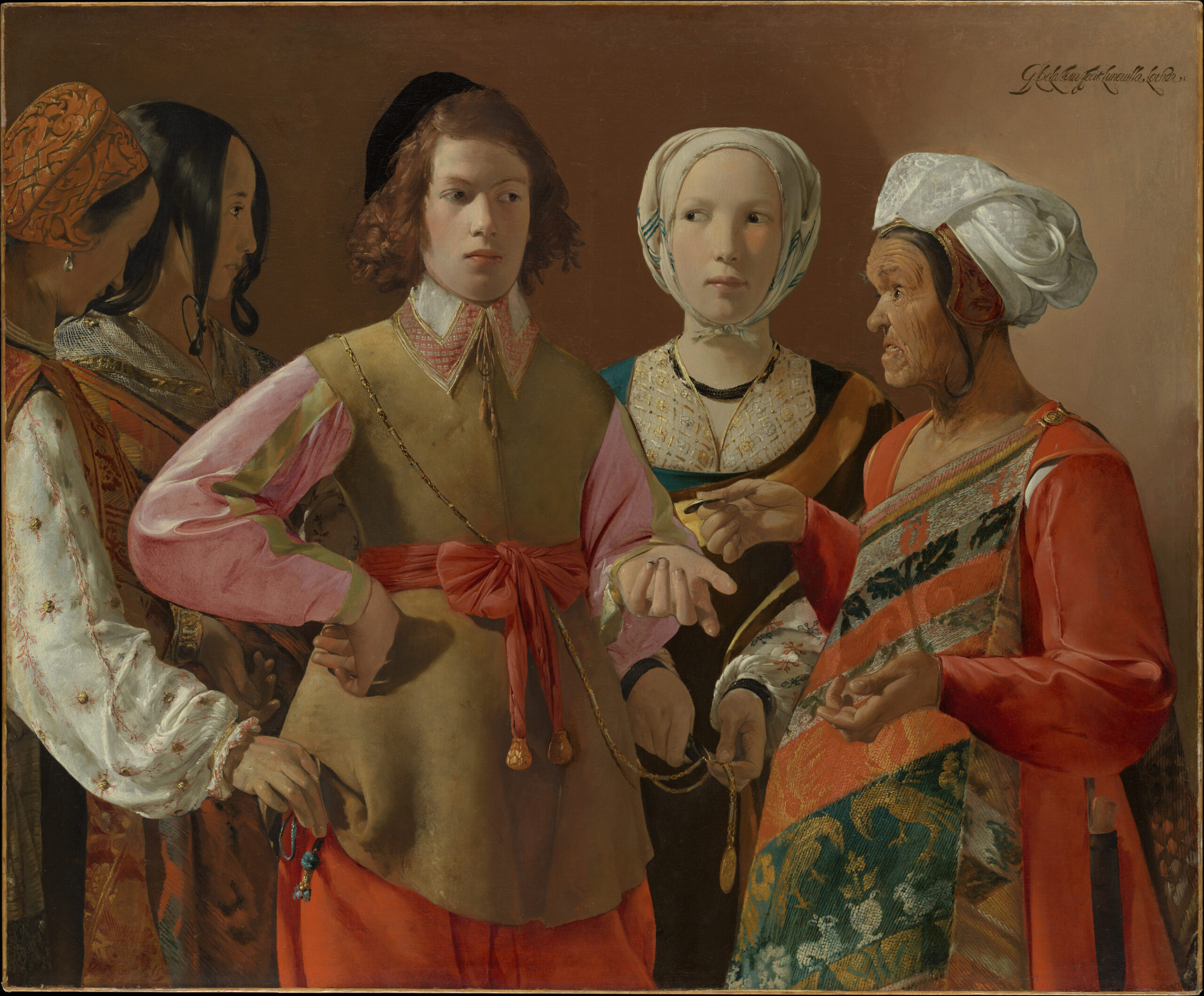
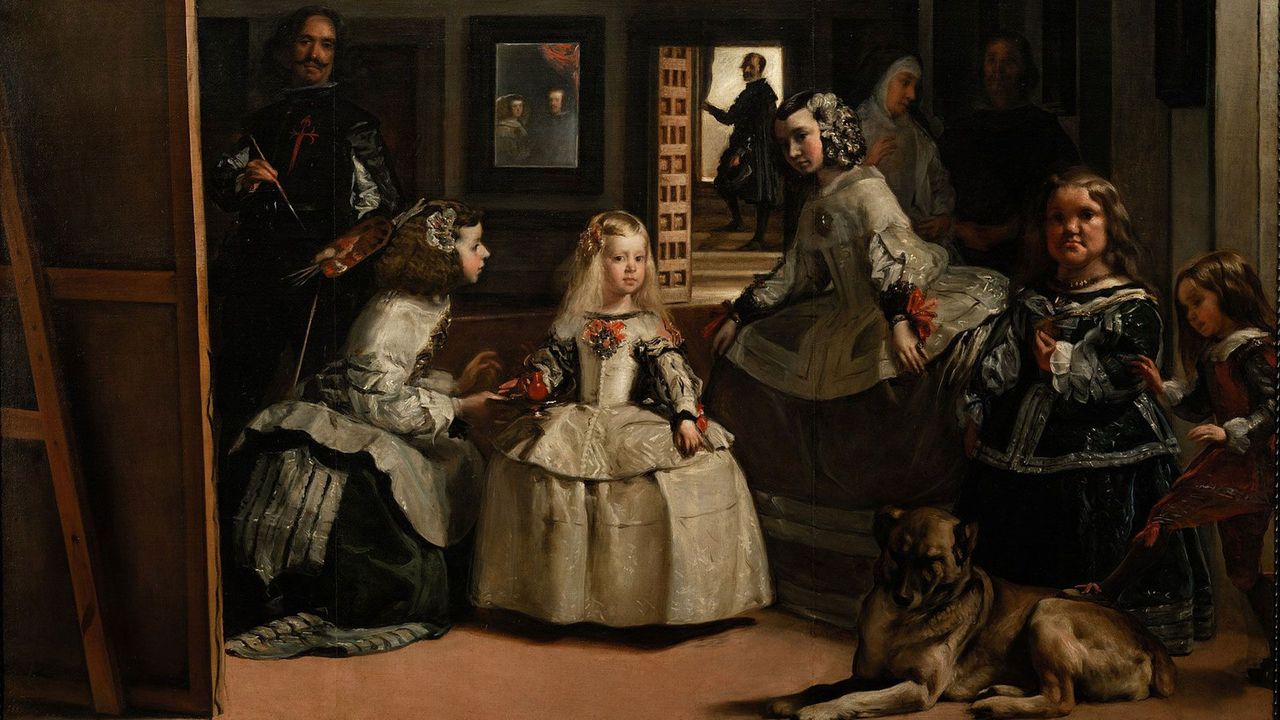
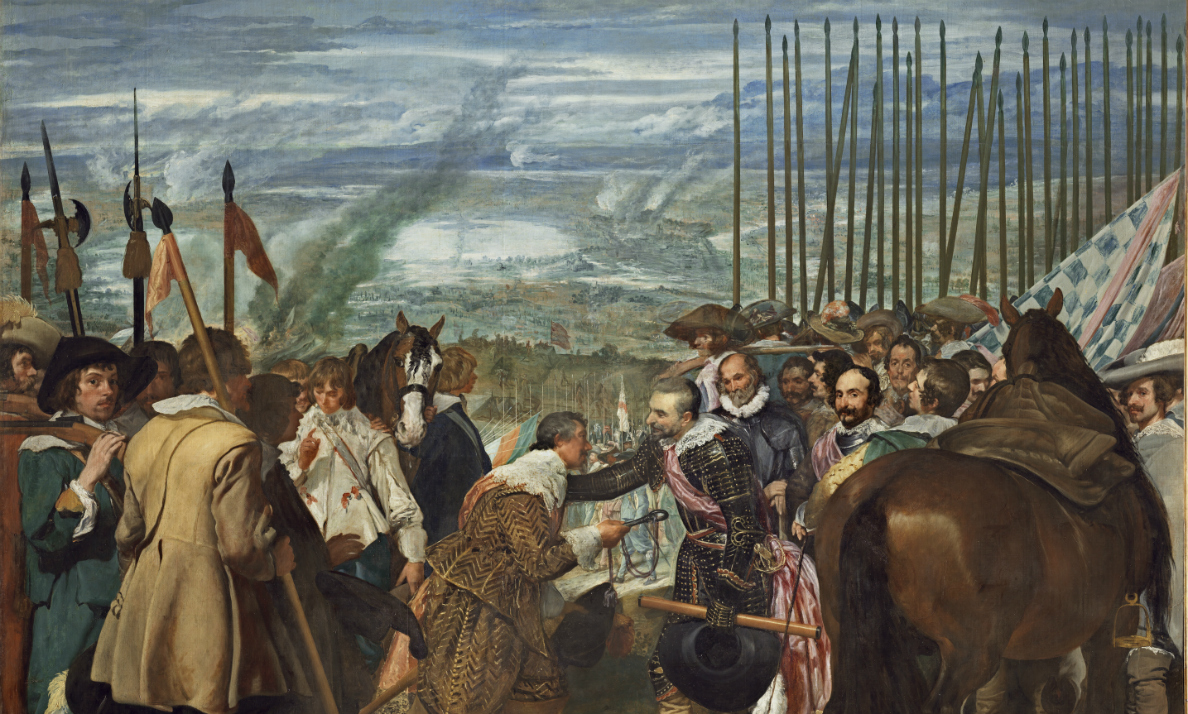
The Spanish Baroque felt mystical, psychological, realistic, and intellectual. The core characteristics we get are:
- Spiritual drama
- Heroic realism
- Intellectual complexity
- Naturalism
- Psychological depth
- National identity
- Atmospheric light
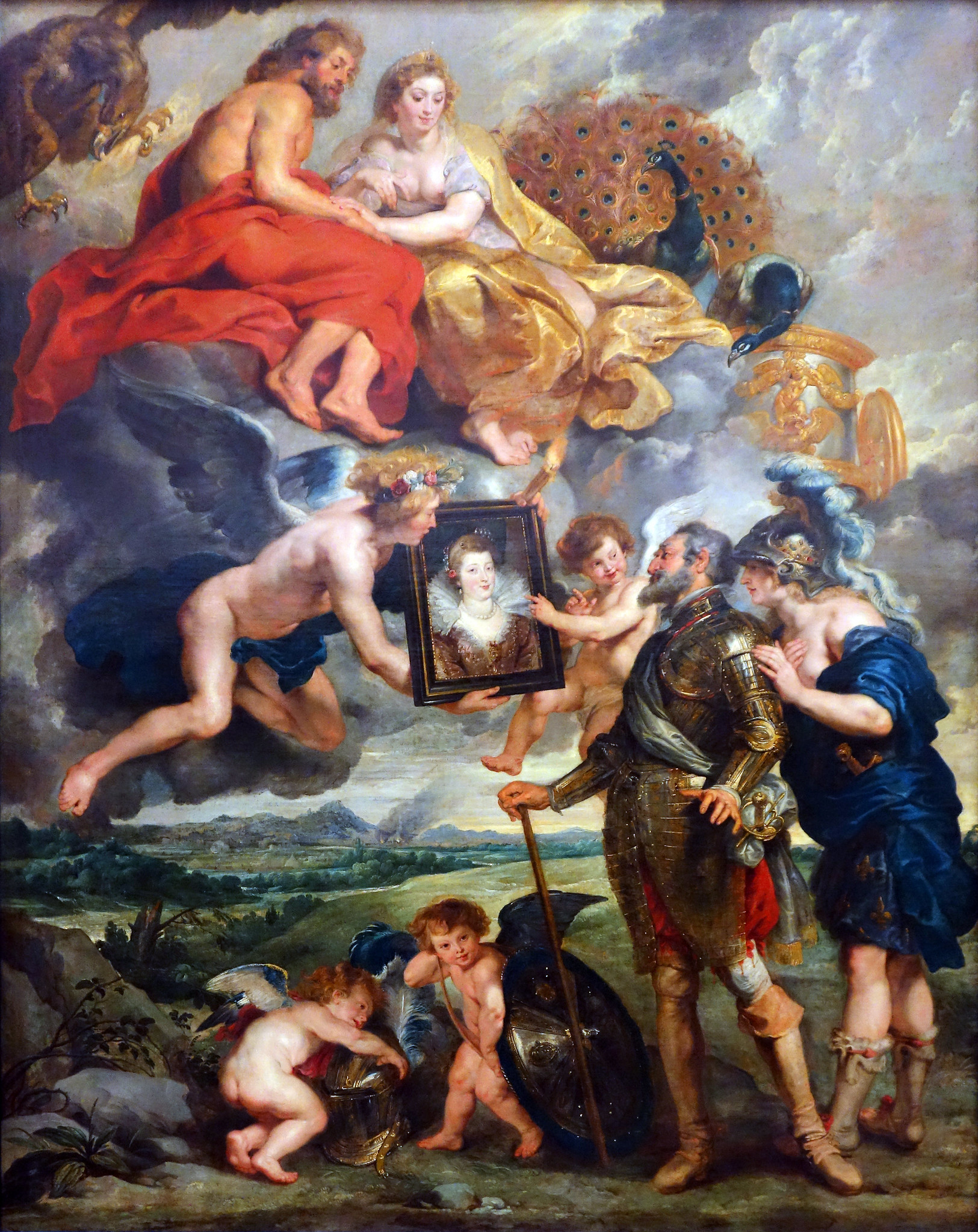
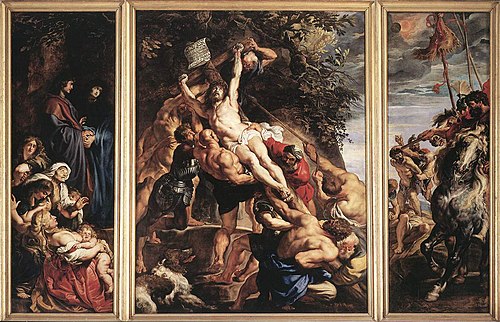
The Flemish Baroque had an extravagant, colorful, dynamic, and sensual feel. The core characteristics we get are:
- Monumental drama
- Luminous color
- Heroic bodies
- Theatrical story-telling
- Realism and idealization
- Royal propaganda
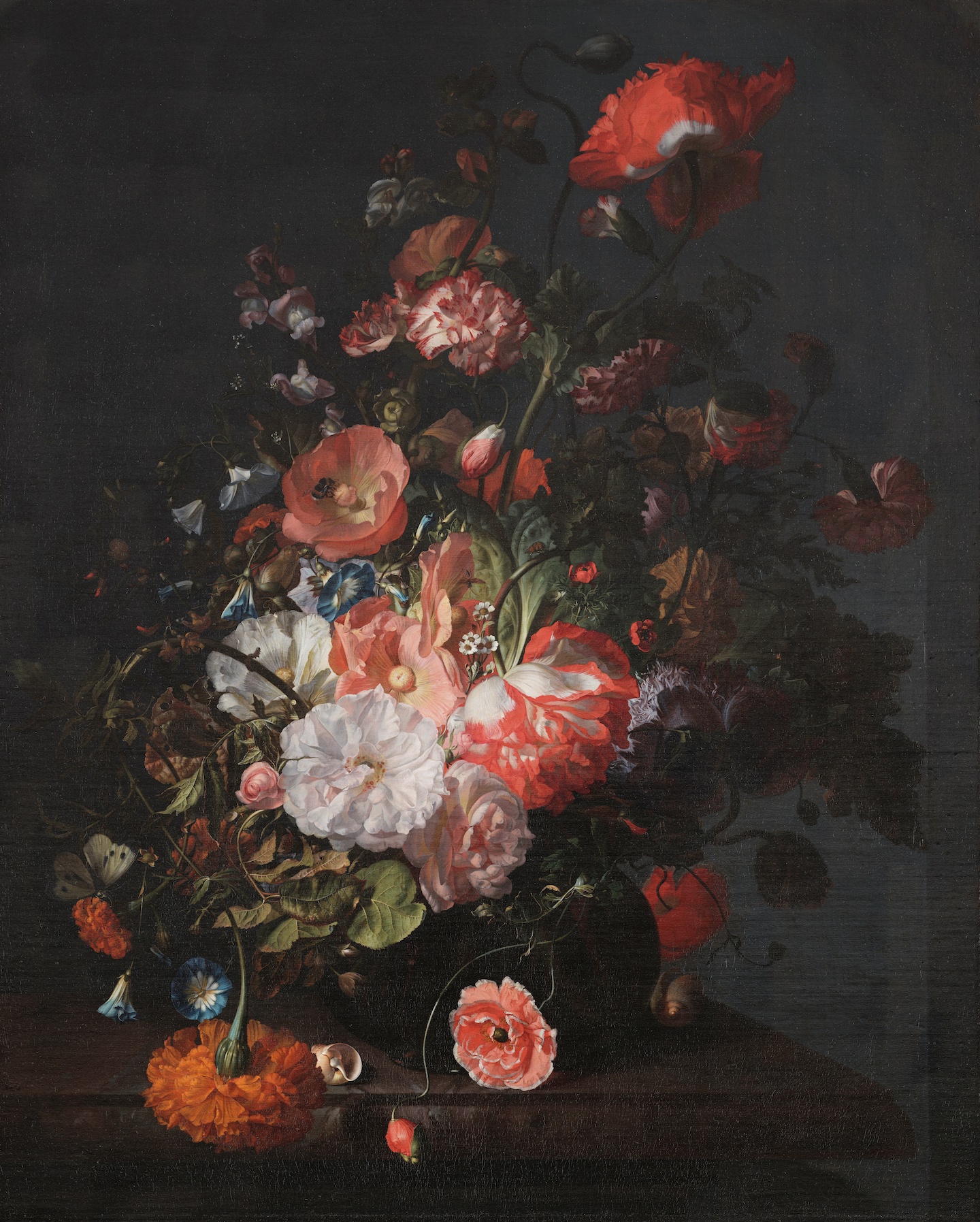
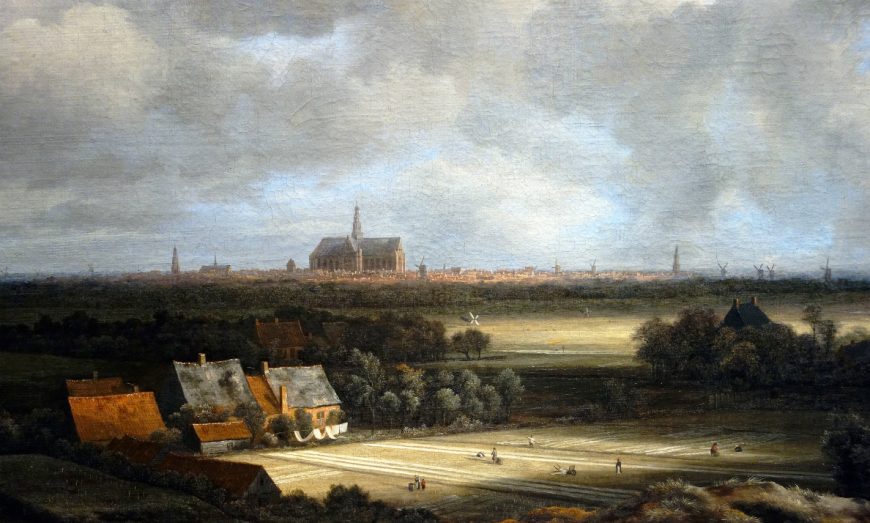
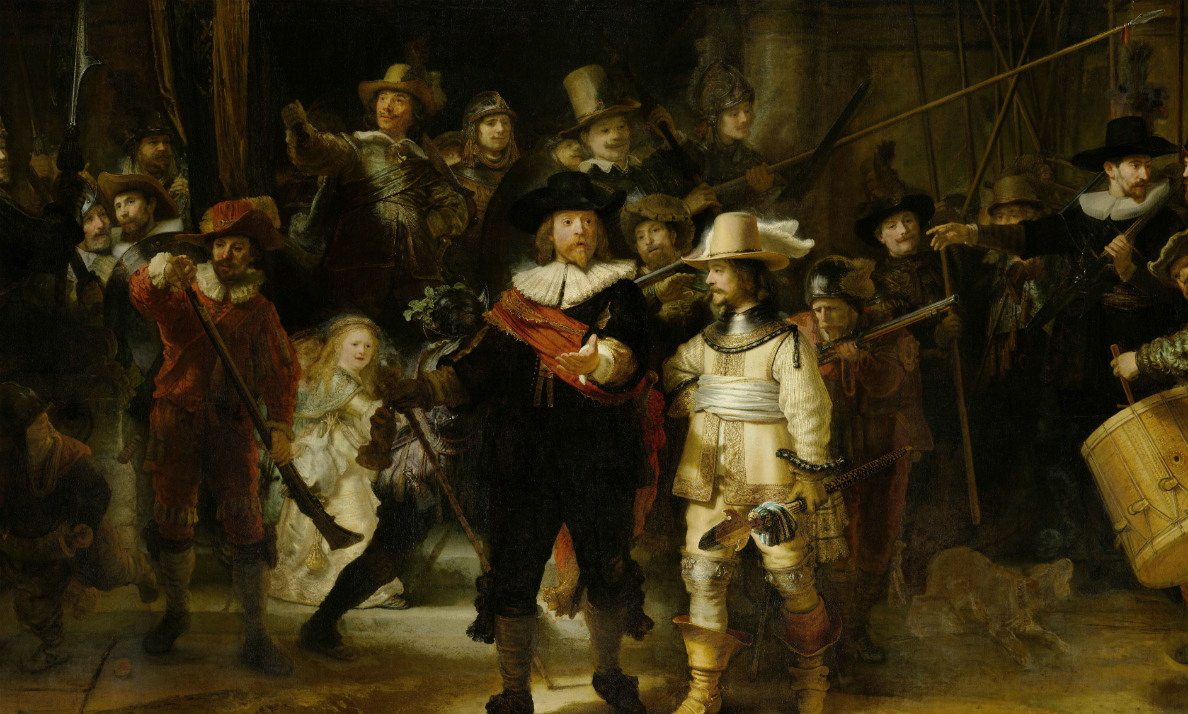
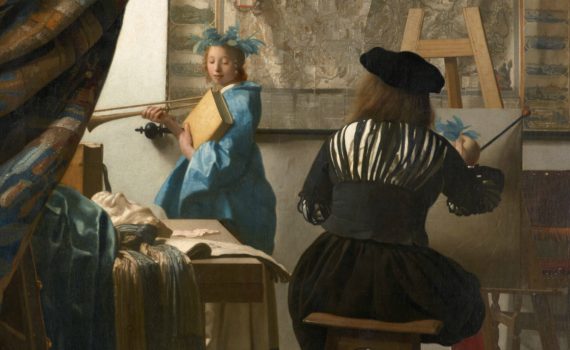
The Dutch Baroque was quiet, observational, realistic, and intimate. The core characteristics we get are:
- Middle class market
- Mastery of light
- Psychological depth
- Scientific observation
- Everyday life
- Civic pride
- Moral message
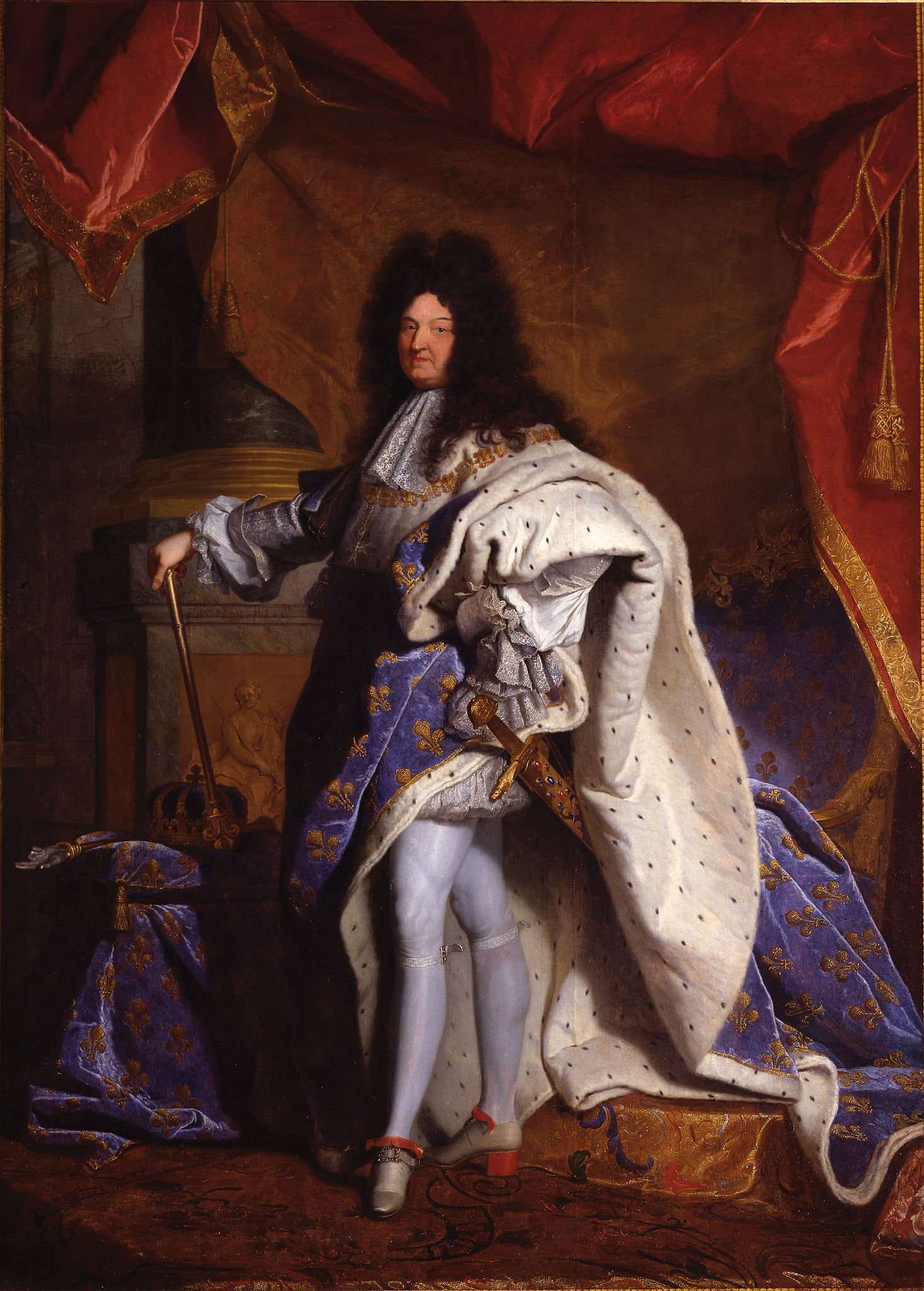
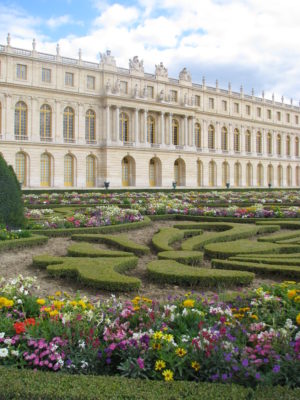
The French Baroque had the feel of being grand, classical, controlled, and political. The core characteristics we get are:
- Monumental Grandeur
- Classical restraint
- Royal portraiture
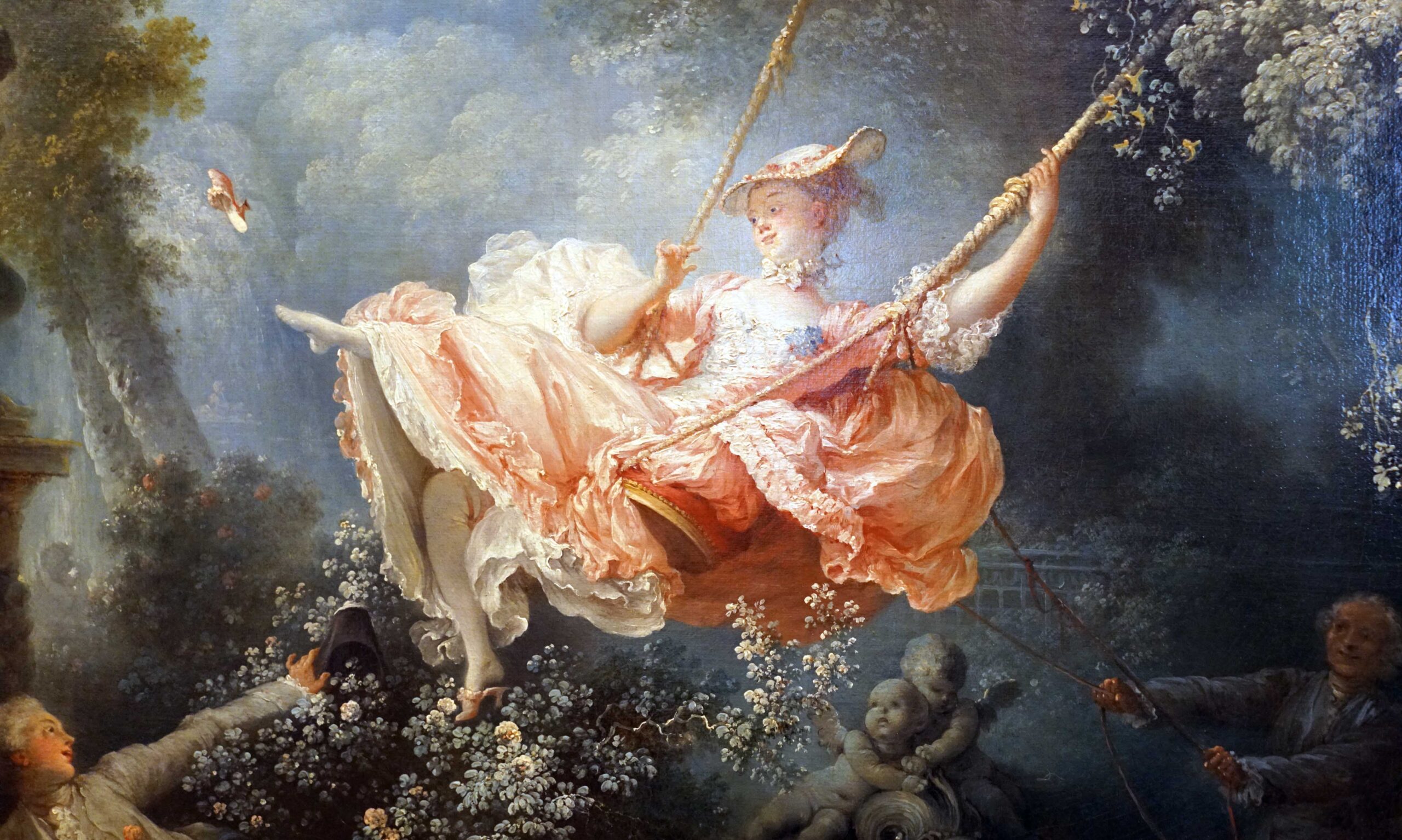
The Rococo had an overall feel of playful, decorative, sensual, and light. The core characteristics we get are:
- Pastel colors and soft light
- Eroticism and flirtation
- Charming portraiture
- Sentimental morality
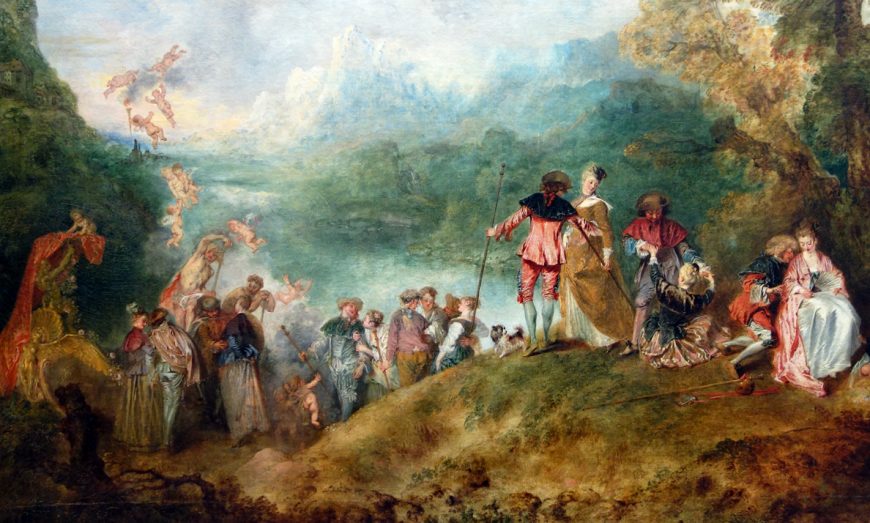
The French Academy was focused on order,reason, and classical ideals. The core characteristics we get are:
- Hierarchy
- Classical training
- Reaction against Rococo